
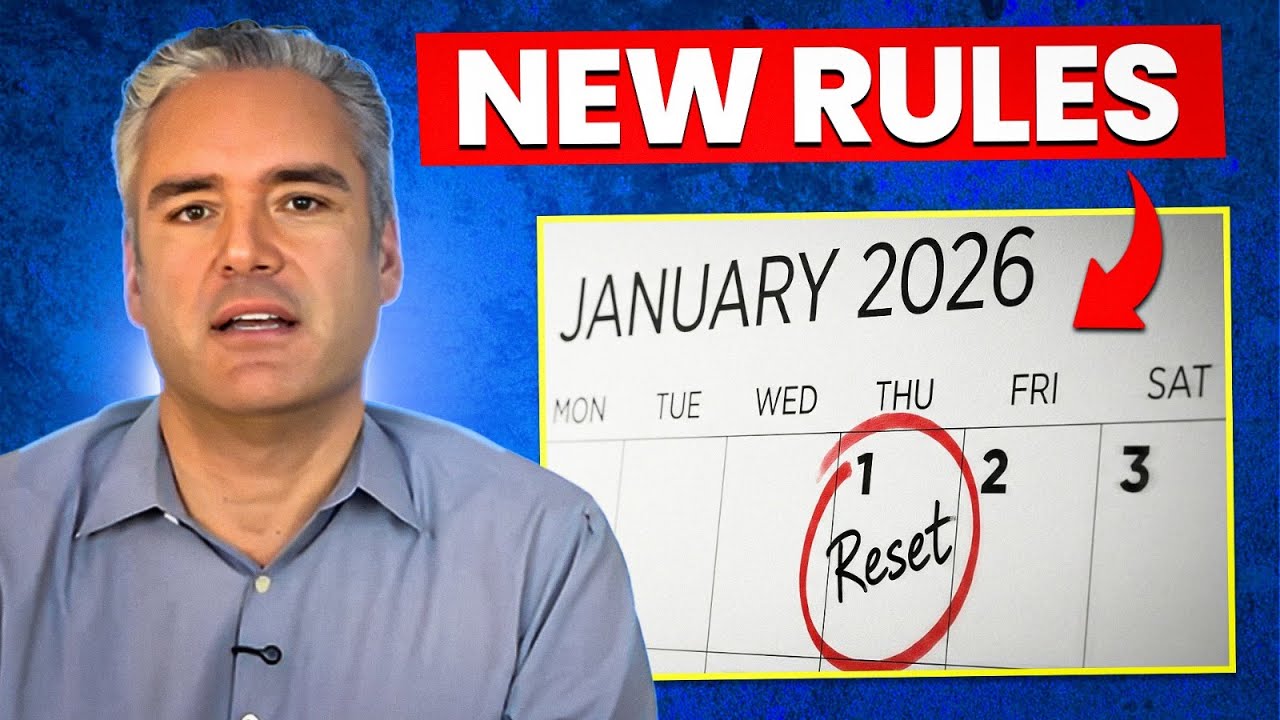
If you’re on a Medicare Advantage plan, you’re probably asking: “Did anything actually change?”
Your card looks the same. The plan name didn’t change. Maybe your premium didn’t change. So it’s tempting to assume 2026 is just a repeat of last year.
Here’s the problem: some of the most important changes don’t show up until January 1, and they hit where it hurts—doctor visits, prescriptions, approvals, and out-of-pocket risk.
Watch: Your Medicare Advantage Plan Might Look the Same — But These 2026 Changes Hit January 1
Key Takeaways
- Same plan name doesn’t mean same costs. Copays, approvals, and rules can change January 1.
- Prescription drug coverage resets every year. Deductibles, tiers, and prices can look very different in January.
- Provider networks are not locked. Doctors and hospitals can drop in or out for 2026.
- Prior authorization rules often expand. More services may need approval this year.
- Your MOOP matters more than your premium. A higher maximum out-of-pocket means more financial risk.
Why “Nothing Changed” Is the Biggest Medicare Advantage Myth
One of the most common assumptions I see is this: “If my plan didn’t send me a giant notice, nothing changed.”
That’s not how Medicare Advantage works. Even when the brochure looks familiar, the dollar amounts you actually pay—specialist visits, imaging, outpatient surgery, physical therapy—can shift quietly on January 1.
Matt tip: Premiums staying the same does not mean your costs stay the same.
Prescription Drugs: The January Reset That Catches People Off Guard
January 1 is a full reset for Part D, even when drug coverage is built into your Medicare Advantage plan. That means:
- Deductibles reset
- Formularies update
- Drug tiers can change
- Quantity limits and prior authorizations can appear
A medication that cost $25 last year can ring up at $300 or $400 in January. This is also the year more 2026 Part D rule changes kick in, which makes January especially important if you take even one higher-cost prescription.
Networks Can Change — Even If Your Plan Didn’t
Doctor and hospital contracts are negotiated late in the year, sometimes right up to the holidays. A provider you saw in November may not be in-network in January.
If you rely on a specific doctor, hospital system, or specialist, January is when you must confirm they’re still in-network for 2026.
Don’t assume last year’s network still applies.
Prior Authorization Rules Reset Too
If it feels like your plan is suddenly requiring more approvals, you’re not imagining it.
Plans update:
- Prior authorization lists
- Medical necessity rules
- Step therapy requirements
- Internal review policies
These updates often take effect January 1. It’s not personal—it’s administrative. But it can absolutely affect how quickly you get care.
MOOP: The Number That Matters Most When Something Big Happens
Your Maximum Out-of-Pocket (MOOP) is the guardrail on your medical spending.
If your MOOP increased for 2026, your financial risk increased, even if you don’t feel it today. Physical therapy, outpatient surgery, or a new diagnosis can make that number very real, very fast.
Matt tip: Don’t gloss over MOOP. It’s one of the most important numbers in your entire plan.
The “Extras” That Quietly Change
Dental, vision, hearing, OTC credits, grocery cards, transportation—these benefits often look unchanged because the layout looks familiar. But the details can shift:
- Lower dental maximums
- Different hearing aid allowances
- New rules on grocery or OTC credits
- Tighter transportation limits
If you rely on any of these, January is when you find out what actually changed.
The January Checklist That Prevents Most Surprises
Here’s the same checklist I used to teach Medicare agents to use every January:
- Re-check your medications in the 2026 formulary—don’t rely on last year’s prices.
- Confirm doctors and hospitals are still in-network for 2026.
- Review your MOOP and note any increase.
- Double-check extras like dental, vision, hearing, OTC, and grocery benefits.
- Watch your January bills closely and question anything that looks off early.
These five steps take very little time and can save you months of frustration.
FAQs
Do I need to re-check my drugs every year?
Yes. Formularies, tiers, and prices reset annually—even within the same plan.
Can doctors really leave the network mid-year?
Networks are updated for the new plan year. A provider in 2025 may not be in-network in 2026.
My plan name didn’t change. Does that mean my benefits didn’t?
No. Many important changes happen behind the scenes and take effect January 1.
Why does prior authorization feel stricter this year?
Because January is when new authorization rules and review policies usually begin.
What To Do Next
- Don’t wait until your first doctor visit or pharmacy run to find surprises.
- Use January to verify costs, coverage, and access while you still have time to act.
- If something feels off—higher costs, lost doctors, prescription shocks—you may have options under Medicare rules.
If you want help walking through your specific situation, you can get a free, no-pressure conversation with a licensed professional who can help you understand what changed and what your options are—no obligation to enroll.
Schedule Your FREE Medicare Consultation
Whether you’re new to Medicare, turning 65, retiring, or looking to change plans, the licensed agents at Brickhouse Agency offer free, no-obligation consultations to walk you through your options.
Required Medicare Disclaimer: No obligation to enroll. Brickhouse Agency does not offer every plan available in your area. For information on all your options, visit Medicare.gov or call 1-800-MEDICARE.