
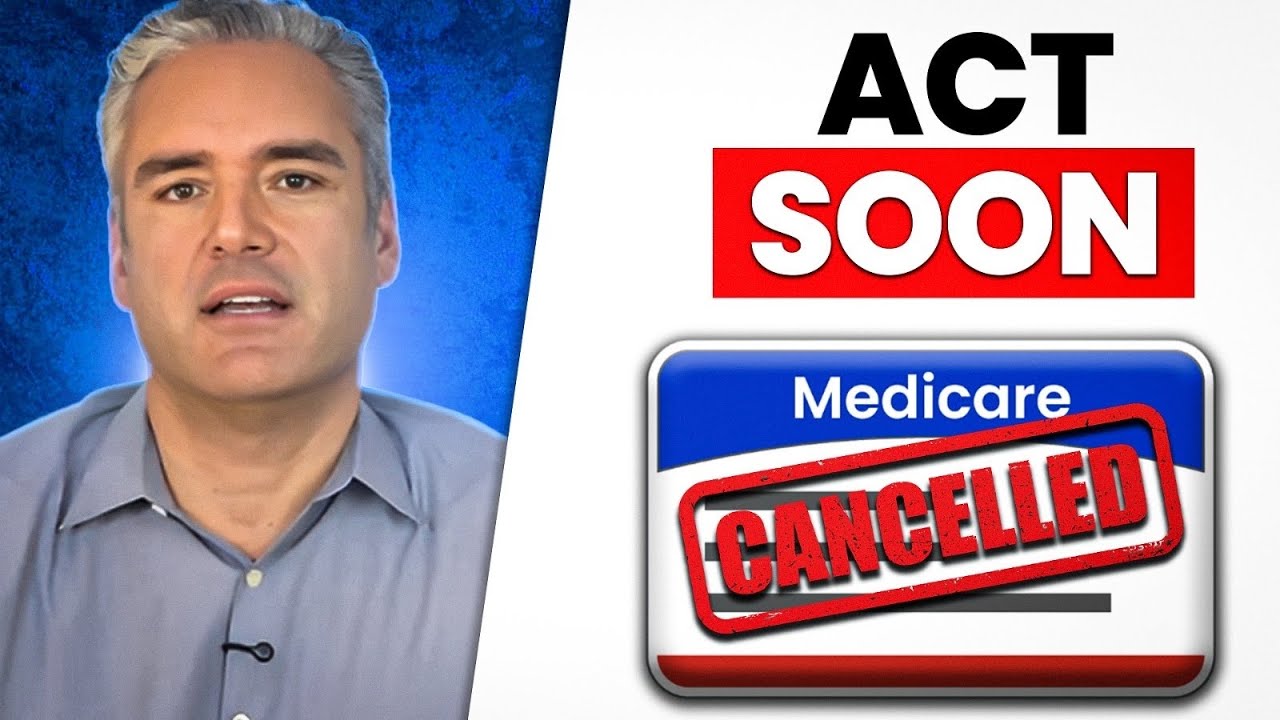
If you got a letter saying your Medicare Advantage plan (or Part D plan) is ending where you live, your first thought is probably: “Am I losing coverage?” “Will my prescriptions still be covered?” or “Do I have to pick something new right now?”
Good news: you’re not alone, and that letter isn’t a mistake. It’s usually a service area reduction (SAR), and it triggers specific Medicare rules—meaning you have rights, options, and a limited window to act. The people who get burned are the ones who set the letter aside until January.
Watch: If Your Medicare Advantage Plan Is Ending Where You Live, Do This Soon
Key Takeaways
- A plan ending where you live is often a Service Area Reduction (SAR)—your plan is ending, not “updating.”
- Medicare gives you a Special Enrollment Period when your plan ends due to SAR—keep the letter as proof.
- If you do nothing and you had Medicare Advantage, you’ll typically fall back to Original Medicare (A & B) on January 1.
- Drug coverage and extras don’t automatically continue—this is where many people get surprised.
- Don’t rely on what a doctor’s office “thinks” is happening—trust the letter and verify plan details for your county/state.
- The biggest mistake: waiting until January and finding out at the pharmacy or check-in desk.
What “Service Area Reduction” Really Means
A Service Area Reduction (SAR) happens when a Medicare plan decides it will no longer offer your specific plan where you live.
-
Medicare Advantage plans are typically filed by county.
-
Part D plans are filed by state or region.
So your plan might still exist one county over—or across a state line—while ending in your area. That’s also why your spouse, neighbor, or friend might not get the same letter.
Key point: SAR does not mean “rebranded.” It does not mean “updated.” It means ending.
Why Plans End in Certain Areas (It’s Business, Not Personal)
From the inside, most SARs happen for a few common reasons:
-
The plan became too expensive to run in that area (rural, high-cost urban, expensive medical systems).
-
The network fell apart (hospital systems, groups, or pharmacies renegotiated and it didn’t work out).
-
The company is restructuring (merging, consolidating, simplifying plan lineups).
-
Low enrollment (not enough members to justify keeping it).
Matt tip: You didn’t miss a form. Nothing “expired.” The plan is simply not going to exist where you live.
What Happens on January 1 If You Do Nothing
If you had a Medicare Advantage plan with drug coverage (MAPD)
You are not “left uninsured.” If you do nothing, you’ll typically fall back to:
-
Original Medicare Part A
-
Original Medicare Part B
But here’s the catch: your Part D drug coverage and supplemental benefits (extras) do not automatically continue. That’s where people get hit.
If you had a standalone Part D plan (PDP)
If your Part D plan ends, you generally need to choose a new PDP available in your area. Medicare won’t automatically enroll you into a new one in most situations.
The Most Common SAR Mistakes (So You Don’t Make Them)
“I thought my plan just changed names.”
Nope. If it’s a service area reduction, your plan is ending in your county. Trying to use your old card in 2026 can go sideways fast.
“My spouse didn’t get the letter, so I ignored it.”
Totally normal. Different plans, different filings, different outcomes.
“My doctor’s office said they still take it.”
Doctors often mean they take that insurance company in general—not that they take your exact plan, in your county, for the new plan year. Trust the letter and verify properly.
“I waited until January.”
This is the painful one. Holidays happen, people delay, then January hits and the pharmacy says, “This isn’t active.” Don’t do that to yourself.
The SAR Survival Checklist
Here’s the practical, boring checklist that prevents the real-world problems:
- Keep the letter. It’s proof you qualify for the special enrollment window.
- Confirm whether you need drug coverage. If your plan ends, your drug coverage may end with it unless you pick new coverage.
- Verify doctors, hospitals, and pharmacies for plans available in your county/state.
- List your upcoming medical needs (specialists, surgery, therapy) before choosing your next step.
- Know your financial exposure if you fall back to Original Medicare without additional coverage—deductibles, 20% coinsurance with no cap, and possibly no drug coverage.
Matt tip: Don’t assume the cheapest replacement is the safest replacement. Premiums don’t tell the whole story—networks, copays, and MOOP matter more.
FAQs
What is a Service Area Reduction (SAR)?
It means your plan is ending where you live because the plan is no longer offered in your county (MA) or region/state (Part D).
Am I losing Medicare coverage if my Medicare Advantage plan ends?
Usually no. You’ll typically return to Original Medicare A & B on January 1. But your drug coverage and extras may end unless you choose new coverage.
Do I automatically get a new plan?
Not necessarily. Don’t assume you’ll be moved into a replacement plan that fits your doctors or meds.
Can I wait until January to pick something?
You can, but it’s often when problems happen—especially with prescriptions. It’s usually cleaner to have new coverage lined up before January 1.
What To Do Next
- If you got an SAR letter, treat it like a time-sensitive to-do, not “later mail.”
- Make sure you understand what happens on January 1—especially prescriptions and out-of-pocket exposure.
- If you want help sorting through options and avoiding gaps, schedule a no-pressure conversation with a licensed professional who can explain your choices clearly—no obligation to enroll.
Schedule Your FREE Medicare Consultation
Whether you’re new to Medicare, turning 65, retiring, or looking to change plans, the licensed agents at Brickhouse Agency offer free, no-obligation consultations to walk you through your options.
Required Medicare Disclaimer: No obligation to enroll. Brickhouse Agency does not offer every plan available in your area. For information on all your options, visit Medicare.gov or call 1-800-MEDICARE.